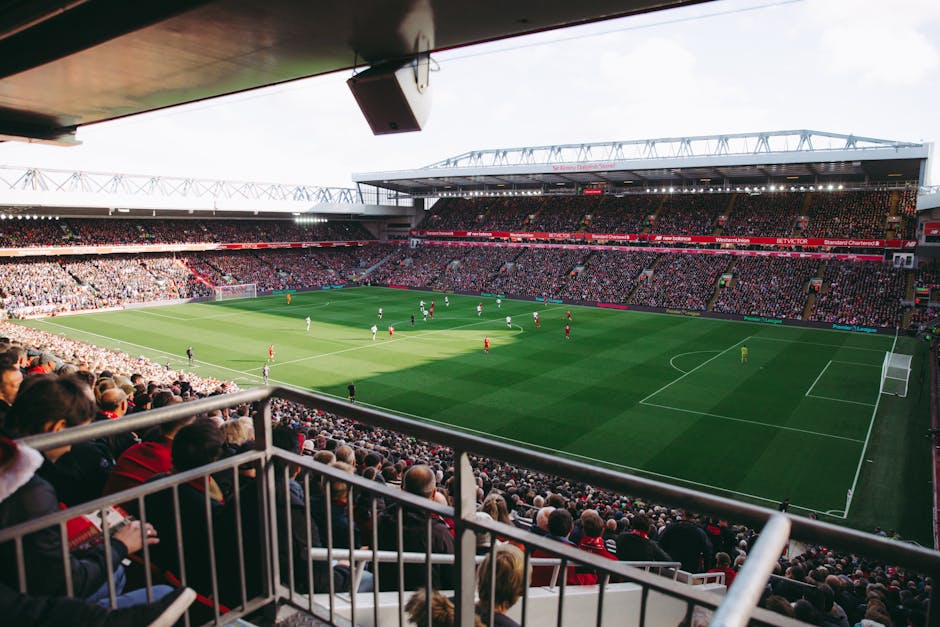
Moving near Emirates Stadium: match-day parking tips (Islington)
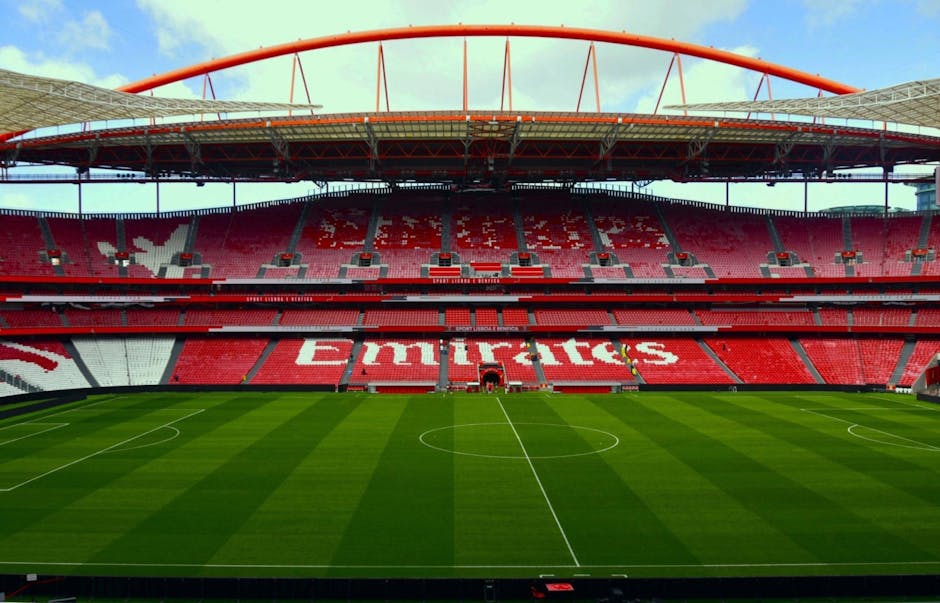
If you are moving near Emirates Stadium, match-day parking can make an otherwise straightforward day feel oddly complicated. Roads get busier, loading bays fill up fast, tempers can rise a little, and even a short stop can turn into a slow crawl. Truth be told, it is one of those local moving situations where a bit of planning saves a lot of stress.
This guide brings together practical Moving near Emirates Stadium: match-day parking tips (Islington) so you can plan access, protect your moving schedule, and avoid the usual headaches around Arsenal home games. Whether you are arranging a flat move, shifting a few bulky items, or booking a van for the day, the aim is simple: help you park legally, load efficiently, and keep the move on track.
We will look at why parking matters so much in this part of Islington, how match-day restrictions tend to affect moving day, what to do before you arrive, and how to avoid the mistakes that catch people out. You will also find a checklist, a comparison table, a realistic example, and a few local-sense tips that make a real difference. Not glamorous, but useful. Very useful.
Why Moving near Emirates Stadium: match-day parking tips (Islington) Matters
Emirates Stadium sits in a part of North London where traffic patterns can change quickly, especially around kick-off and full-time. That matters if you are moving because removals do not happen on a football timetable; furniture still needs carrying, boxes still need loading, and everyone still wants a clear place to stop the van.
On non-match days, you may get away with a simple kerbside stop, a quick unload, and a smooth handover. On match days, that same plan can fall apart. Nearby roads may be busier than expected, short-stay spaces can disappear, and local parking controls may be tighter than usual. Even a small delay can ripple through the rest of the move, especially if you have lift bookings, concierge access, or a tight van hire window.
There is also the practical side of keeping everyone calm. A driver trying to circle the block while someone upstairs waits with a sofa at the door is not ideal. Been there, seen that. The whole job becomes easier when you know in advance where the van can stop, how long loading is likely to take, and what to do if the obvious spot is already taken.
For people moving in the area, this is not just a parking question. It is about protecting timing, reducing risk, and avoiding unnecessary fines or awkward conversations with neighbours and event traffic stewards. To be fair, that is usually what people want most on moving day anyway: fewer surprises.
Table of Contents
- Why Moving near Emirates Stadium: match-day parking tips (Islington) Matters
- How Moving near Emirates Stadium: match-day parking tips (Islington) Works
- Key Benefits and Practical Advantages
- Who This Is For and When It Makes Sense
- Step-by-Step Guidance
- Expert Tips for Better Results
- Common Mistakes to Avoid
- Tools, Resources and Recommendations
- Law, Compliance, Standards, or Best Practice
- Options, Methods, or Comparison Table
- Case Study or Real-World Example
- Practical Checklist
- Conclusion
- Frequently Asked Questions
How Moving near Emirates Stadium: match-day parking tips (Islington) Works
The basic idea is simple: before moving day, you map out where the vehicle can legally stop, how close it needs to be to the property, and how traffic conditions might shift if there is a home fixture. You then build the move around that reality rather than hoping for the best at the kerb.
In practice, match-day parking strategy usually includes four parts:
- Check the day and time. If a game is due, assume the area will be busier than normal for several hours either side of the match.
- Identify loading access. Look for a safe stop that allows the team to move furniture without carrying everything half a street away.
- Understand restrictions. Some spaces may be limited by permit rules, bay time limits, yellow lines, or temporary controls linked to local traffic management.
- Set an arrival window. Leaving a bit earlier can be the difference between a calm unload and a stressful one.
If you are using a service such as a man and van service or arranging moving truck support, the vehicle size matters too. A smaller van may fit easier on tighter streets, while a larger vehicle may need a clearer plan for stopping, turning, and unloading. There is no magic trick here. Just planning, plus a bit of patience.
For households, shared buildings, and small offices, the same principle applies. The best move is usually the one where the vehicle and the route are decided before the boxes are stacked at the front door. It sounds obvious, but that is exactly why it is often skipped.
Key Benefits and Practical Advantages
Good parking planning near Emirates Stadium is not only about avoiding a ticket. It changes the whole feel of the move. You can work faster, protect fragile items, and keep the team focused on the actual job instead of hunting for a space.
- Less waiting time: When the vehicle can stop close to the entrance, loading and unloading are much smoother.
- Lower physical strain: Shorter carrying distances reduce the chance of bumps, drops, and awkward lifts.
- Better scheduling: You are less likely to overrun a lift slot or miss a handover deadline.
- Less stress for neighbours: A tidy, deliberate stop is usually easier for everyone to live with.
- Lower risk of penalties: Parking legally and clearly helps you avoid unnecessary enforcement issues.
There is also a hidden benefit: better decision-making. When parking is sorted early, you can think more clearly about whether you need extra packing help, a second trip, or a different vehicle type. If you are moving a full household, the planning becomes even more valuable, which is one reason people often pair local moving support with home moves assistance or house removalists when the day looks especially busy.
Expert summary: Around Emirates Stadium, parking is not a side issue. It is part of the move itself. Get that piece right, and the rest of the day usually feels far more manageable.
Who This Is For and When It Makes Sense
This advice is useful for a few different groups, and not all of them are moving full house contents.
- Flat movers: Especially if you are on a busy street, upper floor, or in a building with limited curb access.
- Families relocating nearby: More items, more people, more chances for a timing clash.
- Students or sharers: You may have fewer belongings, but the timing still matters if the block is on a match-day route.
- Small business owners: If you are shifting stock, desks, or archive boxes, traffic and stopping space can be just as important as inside access.
- Anyone booking a van on a game day: Even a single sofa or bed frame can become awkward if the street is clogged.
It makes the most sense when your move date is near a fixture, your property is on a narrow road, or you are unsure how long the van will need to remain outside. If you already know the move will involve oversized furniture, consider whether a service with furniture pick-up support or removal truck hire would reduce the pressure on the day.
Commercial moves need their own attention too. A late arrival in a busy match window can throw off the rest of the workday, which is why some teams plan ahead with commercial moves or dedicated office relocation services.
Step-by-Step Guidance
Here is a practical way to handle moving near Emirates Stadium without overcomplicating it.
1. Check whether it is a match day
Before anything else, confirm whether Arsenal are playing at home. If they are, assume more traffic, less parking availability, and a slower approach to nearby streets. You do not need to obsess over every minute, but you do need to factor in the match window. A normal move plan can become a poor one very quickly if you ignore the fixture.
2. Build your arrival window around traffic, not hope
Leave enough time for circling, loading, and possible diversions. If you are arriving with a van or truck, give yourself a cushion. The street that looked free at 9:10 may look completely different by 9:30. That is just London sometimes.
3. Decide the vehicle size before the day
If access is tight, a smaller vehicle may make more sense than a larger one. If you are carrying bulky wardrobes, multiple mattresses, or heavy office furniture, the opposite may be true. This is where a little honesty helps: if the van is too small, you will probably spend longer making repeated trips than you would have spent booking the right vehicle in the first place.
4. Map your loading point
Choose the best practical stopping place near the entrance, even if that means walking a bit further to a legal bay. The ideal spot is not always the nearest spot. It is the one that gives you safe access without blocking traffic, driveways, or building entrances.
5. Prepare the property entrance
Move boxes, clear hallways, and keep the front door area as open as possible. If you are in a block, let residents know when the vehicle is likely to arrive. A bit of courtesy goes a long way, especially when everyone can hear the engine idling outside.
6. Load in the right order
Put awkward or heavy items on first if they need careful placement. Keep essentials near the easiest access point. If you have fragile items, keep them separate and easy to identify. The aim is to reduce back-and-forth movement, not create a puzzle for later.
7. Keep one person focused on the parking situation
If possible, have one person watching the vehicle and the street while others carry. That person can make quick judgment calls if a bay opens up or if a car starts edging in. It sounds minor, but it saves confusion.
8. Leave yourself a final buffer
Match-day parking is rarely a place for perfect precision. A little flexibility helps. If you finish early, great. If not, you have already absorbed some of the pressure.
Expert Tips for Better Results
After enough local moves, a few patterns become obvious. The first is that the best parking plan is often the one that feels slightly boring. Nothing dramatic. Just clear, legal, and close enough.
- Arrive earlier than you think you need to. Ten or fifteen minutes can matter a lot on a busy fixture day.
- Use a smaller vehicle if the street is tight. A more compact van can sometimes save the whole move.
- Pack by unload priority. Put first-room items where they can be reached quickly.
- Avoid assuming a bay will stay open. If you see a workable stop, plan around it immediately.
- Keep the route from van to door as short and clear as possible. Sounds simple. It is. Also easy to forget in the rush.
- Ask about access before booking. If the supplier knows the road is busy, they can advise whether a van, truck, or smaller vehicle is more sensible.
If you are already comparing options, it may help to think beyond the vehicle alone. Sometimes the real win is combining the right transport with packing help from packing and unpacking services, especially when the move has to happen quickly around local traffic pressure.
One small but very real tip: keep a light snack and water somewhere easy to reach. It sounds almost too ordinary to mention, but on a long day with stairs, keys, and parking decisions, that little bit of fuel helps more than people expect.
Common Mistakes to Avoid
Most moving problems near Emirates Stadium are not dramatic errors. They are small oversights that stack up. Here are the ones worth avoiding.
- Not checking fixture timing: A match-day move without fixture awareness is asking for trouble.
- Arriving too late: The later you arrive, the fewer decent stopping options you usually have.
- Assuming there will be space outside the property: That is often the first assumption to fail.
- Using the wrong vehicle size: Too large can block access; too small can mean repeated trips.
- Leaving packing until the last minute: Boxes, tape, and labels should be sorted well before arrival.
- Forgetting the legal side of parking: A convenient bay that is not actually permitted can become an expensive mistake.
- Not telling neighbours or building management: Unexpected obstructions make everyone less happy than they need to be.
There is also a classic one: thinking the move will be "quick enough" so no plan is needed. Let's face it, that line has caused more last-minute stress than bad weather ever has.
Tools, Resources and Recommendations
You do not need a complicated toolkit, but a few basic things make a big difference on a match-day move.
- Printed or saved notes: Keep your move plan, arrival time, and property access details handy.
- Boxes and labels: Label rooms clearly so unloading is faster.
- Protective coverings: Blankets, wraps, or basic padding help prevent knocks when the unload is rushed.
- Tape, scissors, and a marker: Small, obvious, and absolutely worth having.
- Phone battery backup: You will not enjoy being cut off while trying to direct a van.
If you are moving a business, it is worth checking whether your relocation needs simple transport or a more organised service. A planned commercial move can reduce downtime, while the right vehicle choice can keep loading efficient. For larger jobs, moving truck support is often more appropriate than a smaller van, but only if the street access really allows it.
And if the job includes a lot of furniture in one go, the extra handling support from a team that offers house removalists can make the day less physically demanding. You will notice the difference by lunchtime, usually.
Law, Compliance, Standards, or Best Practice
Parking near Emirates Stadium is not just a convenience issue. It is also a compliance issue. You should always follow local parking restrictions, loading rules, permit conditions, and any temporary traffic management in place on the day. If you are unsure, do not rely on guesswork. It is better to spend a few minutes confirming the position than to risk a penalty or block access.
In UK moving practice, the sensible standard is straightforward: park only where it is lawful and safe, keep access routes clear, and avoid creating a hazard for pedestrians, cyclists, residents, or other drivers. That is especially important around busy event venues where foot traffic and vehicle movement overlap.
If you are hiring a vehicle, confirm who is responsible for parking decisions. Is it the driver, the mover, or the building contact? Getting that clear in advance helps avoid awkward delays. For larger or more complex jobs, it is also wise to review the service terms before the move so you understand what is included, what access you need to provide, and what happens if the street is not suitable on the day. You can check the company's terms and conditions and privacy policy for general service information.
Best practice also means keeping the move realistic. If a road is clearly too busy for a large vehicle, do not force it. Choose a safer, smaller, or earlier approach. A sensible plan is usually the compliant one too.
Options, Methods, or Comparison Table
Different moving approaches suit different properties and levels of access. Around Emirates Stadium, the choice often comes down to vehicle size, load volume, and how much curb space you can safely use.
| Option | Best for | Pros | Watch-outs |
|---|---|---|---|
| Small van | Single-room moves, tight streets, light to medium loads | Easier to park, simpler to manoeuvre, often quicker to position | May need multiple trips if the load is larger than expected |
| Man and van | Local residential moves and mixed household loads | Flexible, practical, often well-suited to short curbside stops | Parking still needs planning on match days |
| Removal truck | Full house moves, bigger furniture, heavier loads | Higher capacity, fewer trips, good for larger jobs | Needs more space and a better access plan |
| Commercial relocation setup | Office items, stock, and business equipment | Better for structured loading and time-sensitive jobs | Can be awkward if building access and parking are not confirmed early |
If you are unsure which approach fits, start with the access question rather than the item count. In a tight Islington street, the parking reality can matter more than the volume on paper. A modest load in a poor parking spot can be harder than a bigger load with a clean stop.
Case Study or Real-World Example
Picture a couple moving from a second-floor flat a few streets from Emirates Stadium on a Saturday. They had a fairly ordinary plan: hire a van, lift boxes down in the morning, and finish before lunch. Then they realised there was a home fixture that day. Not a disaster, but not ideal either.
They adjusted by bringing the start time forward, choosing a smaller vehicle, and preparing the boxes the night before. One person stayed outside to manage the parking spot while the other carried items down. They also kept the heaviest items closest to the door so the first load went quickly. The move still took effort, of course. Moving always does. But the day stayed calm enough that they could think clearly rather than rushing.
Now compare that with the version where they arrived late, searched for a stop, and had to carry boxes from further away. Same flat, same furniture, very different day. That is the whole point of match-day parking planning: the work does not disappear, but the friction does.
A small business move can look similar. One office team we would expect in this area may only need a few hours, but if desks, monitors, and archive boxes are all involved, parking can become the thing that determines whether the relocation finishes on time. Boring detail? Maybe. Crucial detail? Absolutely.
Practical Checklist
Use this simple checklist before moving day. It keeps the whole thing grounded.
- Check whether there is a match at Emirates Stadium on the move date.
- Confirm the likely traffic window and leave extra time.
- Decide whether a small van, larger van, or truck is actually suitable.
- Identify the best legal loading point near the property.
- Tell any neighbours or building management if access may be affected.
- Pack and label boxes before the vehicle arrives.
- Keep the route from van to door as short and clear as possible.
- Set aside tools, keys, documents, and essentials separately.
- Confirm who is making parking decisions on the day.
- Have a backup plan if the nearest stop is already taken.
If you tick all of that off, you are already ahead of most moving-day chaos. Seriously. The difference is often just preparation.
Get a free quote today and see how much you can save.
Conclusion
Moving near Emirates Stadium on a match day does not need to be a headache. With a sensible parking plan, a realistic vehicle choice, and a bit of local awareness, you can keep the day controlled instead of reactive. That is really the aim here: fewer surprises, fewer delays, and less carrying stuff farther than necessary.
If there is one thing to remember, it is this: parking is not a last-minute detail in this part of Islington. It is part of the move. Plan it early, keep it legal, and give yourself enough breathing room to work steadily. The rest tends to fall into place more easily than you might expect.
And when the boxes are in, the van is gone, and the street quiets down again, there is always that small, satisfying moment where it all feels worth the effort. A bit tiring, sure. But sorted. That counts for a lot.
Frequently Asked Questions
Can I park a van near Emirates Stadium on match day?
Sometimes, yes, but only if the space is legal, available, and suitable for loading. Match days usually mean heavier traffic and fewer convenient stopping points, so you should always plan ahead rather than assuming a space will be free.
What is the best time to move near Emirates Stadium?
The best time is usually outside the main match travel window if you have any flexibility. Earlier arrival can help a lot, because parking and traffic tend to get worse as kick-off approaches and again around full-time.
Do I need a smaller van for streets around Emirates Stadium?
Not always, but smaller vehicles can be easier to position on tight Islington streets. If the road is narrow or curb access is limited, a compact van may reduce stress and speed up loading.
How do I avoid parking fines during a move in Islington?
Check the local restrictions carefully, park only in lawful stopping points, and do not rely on a quick drop-off if the road is controlled. If in doubt, choose a different position or start earlier so you are not forced into a risky decision.
Should I book a man and van or a larger removal truck?
It depends on the size of the load and the access outside the property. A man and van setup can be ideal for smaller or quicker moves, while a larger truck is better for bigger household loads if the street can handle it.
How much extra time should I allow on a match day?
There is no universal number that fits every street, but you should allow meaningful buffer time. Think in terms of enough room for traffic, parking, and any short delay finding the best legal stop.
What should I do if the loading bay is already taken?
Have a backup plan ready before the move begins. That might mean using another legal bay, adjusting the arrival time, or switching to a different vehicle size. The worst plan is to improvise while the furniture is waiting outside.
Is parking easier for early-morning moves near Emirates Stadium?
Often, yes. Early starts can help you beat the heaviest traffic and improve the chances of finding a workable loading spot. It is not a guarantee, but it usually helps.
Can packing support make parking less of a problem?
Indirectly, yes. If your boxes are packed, labelled, and ready to go, the vehicle spends less time outside the property. That shortens the stop and can make a difficult parking situation much easier to manage.
What if I am moving an office rather than a home?
Office moves near Emirates Stadium need the same parking care, sometimes more. You may have more equipment, tighter timeframes, and a stronger need to avoid disruption, so a clear plan for access and vehicle choice matters a great deal.
Where can I find support for a local move in Islington?
If you need help with a residential or commercial move, you can review the available options on the site, including home moves, man with van support, and other related services. The right choice depends on the load, access, and timing.
What is the most common mistake people make with match-day parking?
The most common mistake is underestimating how much busier the area becomes. People often plan for a normal day and then discover that the street behaves very differently around a fixture. A little extra planning avoids a lot of frustration.