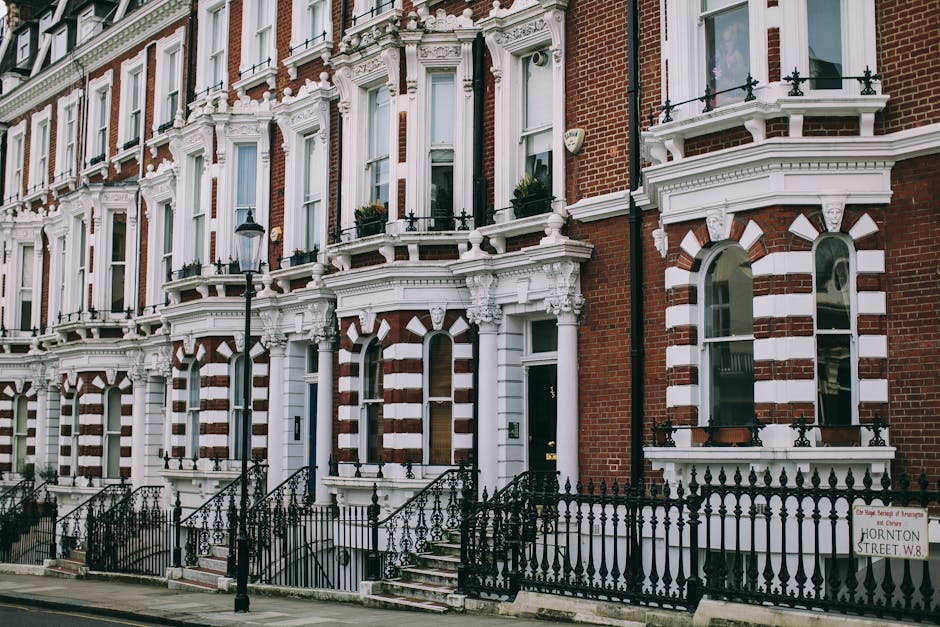
Victorian Upper Street flat move: a real Islington case study
Moving out of a Victorian flat on Upper Street sounds straightforward until you meet the realities of Islington: narrow staircases, awkward corners, parking pressure, shared entrances, and a building that has seen a few decades of real life. This Victorian Upper Street flat move: a real Islington case study pulls those details together in a practical, honest way. If you are planning a similar move, or simply trying to work out what makes these jobs trickier than a standard house move, you are in the right place.
There is a reason people search for advice on Upper Street moves specifically. The street is busy, the flats are often period conversions, and the logistics can change fast from one building to the next. In practice, the difference between a smooth move and a stressful one is usually planning, access knowledge, and a clear idea of what kind of removal service fits the property.
Below, we break down what the move involves, why it matters, where people get caught out, and how to handle it with less friction. A little preparation goes a very long way. Truth be told, it usually saves money too.
Table of Contents
- Why this kind of move matters
- How the move works in practice
- Key benefits and practical advantages
- Who this is for and when it makes sense
- Step-by-step guidance
- Expert tips for better results
- Common mistakes to avoid
- Tools, resources and recommendations
- Law, compliance, standards, or best practice
- Options, methods, or comparison table
- Case study or real-world example
- Practical checklist
- Conclusion
- Frequently asked questions
Why Victorian Upper Street flat move: a real Islington case study Matters
A Victorian flat on Upper Street is rarely a blank-slate move. The building layout, age of the property, and location all shape the day. You may have a tight stairwell, awkward window restrictions, limited waiting space outside, or a lift that barely fits the larger items anyway. Even when the flat itself is modest, the job can still feel big.
Why does that matter? Because planning a move around a generic checklist is not enough. If you treat every move the same, you can end up with the wrong vehicle, too few people, or a badly timed arrival that clashes with traffic or local parking pressure. And in Islington, parking and access are rarely side issues. They are the issue.
This is also where a real case study helps more than theory. A case study shows how decisions were made in the moment: what was worth dismantling, what needed careful wrapping, what could be carried safely by hand, and where a man and van arrangement was enough versus where a larger home move setup would have made more sense. That kind of context is useful, especially if you are trying to decide between a lighter move and a more full-service approach.
Let's face it, most people do not need a lecture about moving. They need to know what will actually happen on the day. That is the value here.
How Victorian Upper Street flat move: a real Islington case study Works
At its core, the process is a staged move from a period flat, usually involving a careful balance of packing, access planning, loading, and timing. With Victorian properties, the building itself often determines the pace. Narrow hallways, original staircases, and older door frames can all slow things down if you are not prepared.
In a typical Upper Street flat move, the work usually unfolds like this:
- Survey the access points. Measure larger furniture, check stair width, and identify any tight turns or low ceilings.
- Decide what should be dismantled. Beds, wardrobes, shelving, and some tables are often easier to move in pieces.
- Separate fragile or high-value items. Glass, art, electronics, and sentimental pieces need different handling.
- Plan parking and loading. In Islington, this can be the difference between a calm load and a scramble on the pavement.
- Load in a sensible sequence. Heavy items first, fragile items protected, and awkward shapes placed so they do not shift.
- Unpack essentials quickly. The first night should not feel like a treasure hunt through cardboard.
There is a practical rhythm to it. You are not just moving boxes. You are working around the building's quirks. A creaky stair rail, a tight landing, a front door that sticks a little in damp weather - these small things can add up. Slightly annoying, yes. But manageable if you expect them.
For many readers, the main question is whether the move needs a full removal team or a simpler setup. If the flat is small, the furniture is modest, and access is reasonable, a man and van option may suit. If the property has multiple floors, bulky furniture, or a long carrying distance, a larger team may be smarter. The right answer depends on the shape of the job, not just the postcode.
Key Benefits and Practical Advantages
When a Victorian Upper Street flat move is planned properly, the advantages are not just about convenience. They show up in time saved, fewer damaged items, less stress, and a cleaner handover at both ends of the move.
- Better protection for older properties. Careful handling reduces the risk of scuffs, chips, and knocks on period features.
- Less physical strain. Heavy lifting in narrow staircases is no joke, especially when furniture needs turning mid-flight.
- More predictable timing. A planned move is easier to fit around key handover windows, cleaning, and travel.
- Improved packing discipline. A structured move often forces better decluttering and better labelling. Surprisingly useful.
- Lower chance of last-minute chaos. You know where items are going, who is carrying what, and what can be left until later.
There is also a less obvious benefit: better decision-making. Once you know how a Victorian flat behaves in practice, you can choose the right level of help. That might mean a man with van for a lighter load, or a more complete arrangement through home moves if the move is more involved.
In our experience, people often overestimate what can be done casually in a period building. Then, halfway down the stairs, the wardrobe disagrees. Best to plan ahead.
Who This Is For and When It Makes Sense
This kind of move is most useful for people living in, or moving from, Victorian conversions on Upper Street or nearby Islington streets with similar access patterns. It is especially relevant if you have:
- stairs that make large furniture awkward
- limited street parking or loading space
- a mix of small boxes and a few awkwardly large items
- shared entrances or narrow communal hallways
- fragile belongings that need a careful approach
- a time-limited handover or check-out deadline
It also makes sense if you are weighing up whether to manage the move yourself or bring in help. Some people are genuinely fine with a small, well-organised move. Others are carrying a sofa, a mattress, a coffee table, and a bike through a building that seems to have been designed before modern furniture existed. That is when professional support starts to look very sensible.
If you are clearing out items as part of the move, or deciding what to keep, it can also be worth planning disposal at the same time. A useful related read is the guide on ruthless decluttering methods for moving success, which fits neatly with a flat move where space is tight and every extra box matters.
Step-by-Step Guidance
If you want the move to feel controlled rather than frantic, this sequence helps. It is not glamorous, but it works.
1. Start with a room-by-room inventory
List the large furniture first, then the boxes, then the awkward extras. That bike in the hallway? Put it on the list. The mirror leaning behind the bedroom door? Also on the list. It sounds obvious, but missing just one big item can throw the vehicle plan off balance.
2. Measure the awkward pieces
Victorian flats often have tighter turning points than modern buildings. Measure beds, wardrobes, sofas, and tall shelving. If something is close to the stair width, assume it may need to be angled or dismantled. That small bit of caution can save a lot of swearing later.
3. Decide what to move and what to let go
Moves are easier when you are not transporting clutter. If an item is damaged, rarely used, or expensive to move compared with replacing it, think carefully. Some items are better sold, donated, or responsibly removed before move day.
4. Prepare the flat itself
Protect floors where possible, clear corridors, and make sure boxes are not blocking exit routes. Old painted skirting and polished banisters can mark easily. A few sheets or coverings can make a real difference.
5. Confirm parking and access arrangements
This is one of the big ones in Islington. Loading time, distance from vehicle to front door, and any restrictions can change the whole feel of the move. If parking is tight, build in extra time. Always.
6. Pack in a sensible order
Pack by room and priority. Essentials first, then less urgent items, then storage pieces. Keep the moving-day box visible and clearly labelled. It should contain chargers, toiletries, kettle basics, documents, and a change of clothes. The boring stuff becomes the important stuff very quickly.
7. Load with protection in mind
Use blankets, wraps, straps, and stable stacking. Heavy items need to sit securely, while fragile items should not be crushed under boxes that are, frankly, too enthusiastic for their own good.
8. Check the new property before unloading
Look at access, room placement, and any surfaces you want protected. It is easier to set the route now than to discover later that the wardrobe needs turning again.
9. Unpack the essentials first
Kitchen basics, bedding, toiletries, and any work-from-home gear should come out early. A move feels better once you can make tea. It really does.
Expert Tips for Better Results
A few practical habits separate a decent move from a surprisingly smooth one.
- Label by room and urgency. "Kitchen - Day 1" is more useful than "miscellaneous."
- Keep one pathway clear. If you can walk from door to room without weaving around boxes, you are already winning.
- Disassemble early, not on the morning of the move. Late-night furniture dismantling is rarely charming.
- Protect the things that catch easily. Lamp shades, mirror edges, picture frames, and drawer handles all need attention.
- Book parking and access support where needed. In a street like Upper Street, assumptions are expensive.
- Have a small emergency kit. Tape, scissors, charger, wipes, bin bags, and a bottle of water. Tiny things, big difference.
One practical tip people often overlook: photograph furniture before disassembly. You will thank yourself when a shelf bracket turns up mysteriously separate from the rest of the parts. Why is it always one tiny screw that causes the drama?
If you are deciding between different move styles, a useful comparison can be found in man and van vs full removals in Islington. It is a sensible read if you are still figuring out what level of help you really need.
Common Mistakes to Avoid
Most moving mistakes are not dramatic. They are small planning errors that snowball. Annoying, but avoidable.
- Underestimating stair access. A sofa that looks fine in the lounge may become impossible on the stairwell.
- Ignoring parking restrictions. The van arriving is not the same as the van being able to stop safely and legally.
- Overpacking boxes. One box of books that weighs a ton is a bad idea for backs and for patience.
- Leaving packing too late. It always takes longer than you think. Always.
- Not measuring furniture. Guesswork is a risky strategy in Victorian buildings.
- Forgetting building rules. Shared entrances, neighbour access, and quiet hours can all matter.
- Choosing the wrong service size. Too small, and the day drags. Too large, and you may pay for capacity you do not need.
Another common issue is thinking that every item must be moved whole. In reality, breaking down a bed frame, removing table legs, or separating modular furniture can make the whole process cleaner. If you need help with that side of the move, the advice in best practices for disassembling and moving your bed and mattress is worth a look.
Small aside, but important: do not treat the first floor like it is the same as ground floor. It never is. Not in a Victorian terrace, not in a conversion, and definitely not when the stair tread is slightly narrower than you remember.
Tools, Resources and Recommendations
You do not need a truckload of gear to move well, but the right basics make everything easier.
| Tool or resource | Why it helps | Best used for |
|---|---|---|
| Removal blankets | Protects furniture and doorframes from scuffs | Sofas, tables, wardrobes, mirrors |
| Strong tape and labels | Keeps boxes sealed and organised | Room-by-room packing |
| Furniture straps | Helps stabilise items in transit | Heavy or awkward furniture |
| Protective floor covering | Reduces damage in tight hallways | Victorian flats with older flooring |
| Step-by-step move plan | Helps the day run in sequence | Time-sensitive or larger moves |
On the planning side, a few website guides are particularly useful if you are preparing for an Islington move. The Upper Street moving checklist for Islington flats is especially relevant, while create a peaceful moving experience with this plan offers a calmer approach for people who know they tend to rush when the pressure rises.
If you are dealing with mixed household waste or you need to clear bulky items as part of the move, there is also a useful comparison in bulky waste or removals in Islington. That can help you decide whether separate disposal or a bundled move makes more sense.
Law, Compliance, Standards, or Best Practice
For a move like this, the main compliance concerns are practical rather than dramatic, but they still matter. Parking restrictions, loading rules, waste disposal expectations, and building access arrangements can all affect how the move is carried out. In Islington, that means you should not assume a van can stop wherever it is convenient. Check the location, communicate with the building where needed, and allow time for the unexpected.
It is also wise to keep household disposal and skip-related rules in mind if you are clearing out items before or after the move. Some people treat this as an afterthought, then end up with clutter waiting in the hallway for too long. Not ideal. For a grounded overview, the article on Islington Council household disposal rules for movers is a practical place to start, and Islington Council parking suspensions for moves is relevant if access needs extra planning.
Best practice also includes being considerate to neighbours. Period buildings often share entrances, walls, and foot traffic. Keep doorways clear, avoid blocking communal areas, and try to minimise noise where you can. That sounds obvious, but in a busy street it is easy to get focused on the job and forget the people around you.
If anything is unclear, err on the side of checking rather than guessing. That is usually the safer route, and the less stressful one too.
Options, Methods, or Comparison Table
When moving from a Victorian Upper Street flat, the biggest decision is often not whether to move, but how to move. Here is a simple comparison of the most common approaches.
| Method | Best for | Strengths | Watch-outs |
|---|---|---|---|
| Man and van | Smaller flats, lighter loads, short-distance moves | Flexible, often cost-conscious, quick to arrange | May be less suitable for bulky furniture or complex access |
| Full home removals | Larger loads, multiple rooms, furniture-heavy flats | More support, better for awkward handling, less strain on you | Can be more involved to schedule and may cost more |
| Self-managed move | Very small moves or people with access to a vehicle and helpers | Maximum control if everything is simple | Higher risk of mistakes, damage, and fatigue |
The right option depends on volume, access, and time. For a compact upper-floor flat with a few key items, a simpler service may work beautifully. For a Victorian property with a bulky sofa, a large bed, a mirror wardrobe, and a tight staircase, a more complete move often makes more sense.
If you want to go a bit deeper on service style, you may also find fixed price vs hourly removals in Islington helpful. Pricing models can change how you plan the day, especially if access is uncertain or parking is tight.
Case Study or Real-World Example
Here is a realistic example of how a Victorian Upper Street flat move can unfold.
A one-bedroom Victorian conversion near Upper Street had a standard mix of belongings: a bed frame, mattress, sofa, dining table, a couple of chairs, boxed kitchen items, a book collection, and a few fragile pieces. Nothing outrageous. But the staircase was narrow, the hallway angled slightly at the top, and the front access was shared with neighbours. On paper, it looked manageable. In person, it needed care.
The move worked best because the plan matched the property. The bed frame was dismantled before the van arrived. The sofa was wrapped to protect both fabric and walls. Boxes were grouped by room, and the most fragile items were loaded last so they would not get crushed. A loading window was chosen to reduce pressure from passing traffic, and the route from flat to vehicle was kept clear. Nothing flashy. Just competent, calm handling.
The biggest lesson? The flat was not difficult because it was large. It was difficult because it was old and awkward in all the ways Victorian properties often are. A calm plan made the difference. If the movers had turned up without measuring, or if the resident had left the bed assembled, the day would have become far messier. Sometimes that is the whole story right there.
Another helpful local point: for tight Islington streets and awkward access, articles like Canonbury removals microguide for narrow streets and Barnsbury removals guide for narrow-street moves contain practical ideas that transfer well to Upper Street conditions too.
Practical Checklist
Use this checklist to keep your Victorian flat move on track.
- Measure the largest furniture and confirm access routes
- Check parking and loading arrangements in advance
- Decide what should be dismantled before moving day
- Pack room by room and label clearly
- Protect floors, walls, and doorframes where needed
- Keep fragile items separate and well marked
- Prepare an essentials box for the first 24 hours
- Arrange disposal or decluttering before the move if possible
- Confirm the arrival time and access details with the moving team
- Have keys, documents, chargers, and water easy to reach
- Walk through the property before leaving to check nothing is missed
- Take photos of the emptied rooms if you need a record for handover
If you want one simple rule, it is this: make the first hour of the move easy, and the rest usually follows. A tidy start matters more than people think.
Conclusion
A Victorian Upper Street flat move is rarely just a transport job. It is a small logistics project wrapped around an older building with its own quirks, constraints, and personality. That is not a bad thing. It just means the move works best when it is planned with the property, not against it.
Whether you need a lighter man and van setup, a fuller home move, or advice on packing and access, the key is to think a step ahead. Measure, label, protect, and allow time for the reality of Islington streets. Do that, and the move becomes much more manageable - even, dare I say, almost smooth.
Get a free quote today and see how much you can save.
And if you are standing in a hallway right now wondering how on earth that wardrobe is going to make it down the stairs, take a breath. With the right plan, it usually does.
Frequently Asked Questions
What makes a Victorian Upper Street flat move different from a normal flat move?
Victorian flats often have narrow staircases, tighter landings, and awkward room proportions, so furniture handling and access planning matter more than they do in newer buildings.
Is a man and van enough for this kind of move?
It can be, especially for smaller moves with limited furniture. If the flat has bulky items or awkward access, a more complete removal service may be the better fit.
Should I dismantle furniture before moving day?
Yes, where practical. Beds, shelving, and some tables are much easier to move in parts, and this often reduces the risk of damage in a tight stairwell.
How far in advance should I plan parking for an Upper Street move?
As early as possible. Parking and loading in Islington can affect timing, so it is sensible to check access details well before the moving date.
What is the biggest risk in a Victorian flat move?
The biggest risk is usually underestimating access. A sofa, wardrobe, or mattress that seems simple can become awkward once stairs and turns are involved.
How do I protect walls and floors in an older flat?
Use protective coverings where needed, keep pathways clear, and make sure furniture is wrapped or padded before it is carried through narrow areas.
Is it worth paying for packing help?
For many people, yes. Packing help saves time, reduces stress, and tends to improve organisation, especially if you are moving on a tight schedule.
What should go in my essentials box?
Keep chargers, toiletries, tea or coffee basics, a change of clothes, medications, documents, and any first-night items you do not want buried in boxes.
What if I need to get rid of bulky items before moving?
Plan that separately rather than leaving it to the last minute. Large items can take time to remove properly, and disposal rules may apply depending on what you are clearing.
How do I choose between fixed-price and hourly removal services?
If the move is straightforward and predictable, either may work. If access is tricky or timing is uncertain, it is worth comparing both models carefully.
Can I move everything in one trip?
Sometimes, yes, but not always. The number of trips depends on volume, vehicle size, and access. It is better to be realistic than to assume a single run will cover everything.
What is the best way to reduce moving-day stress?
Start early, label clearly, keep essentials separate, and leave extra time for parking, access, and the odd unexpected snag. That last part matters more than people expect.